
*Improved Cognitive Function; Enhanced Mood; Resilience; Better Sleep; Reduced Stress; Safer Mobility; Stronger Bodies*
Yoga for the brain: It may sharpen your mind, protect against cognitive decline https://www.washingtonpost.com/wellness/2024/08/15/yoga-cognition-improvement-physical-mental-health/
More evidence that exercise can have beneficial effects on cognitive performance https://www.npr.org/2024/12/10/nx-s1-5222546/more-evidence-that-exercise-can-have-beneficial-effects-on-cognitive-performance
Yoga isn’t just for flexibility. It may also protect brain health https://www.heart.org/en/news/2025/09/09/yoga-isnt-just-for-flexibility-it-may-also-protect-brain-health?utm_source=sfmc&utm_medium=email&utm_campaign=251130+YA+Weekly+-+Nov+30&utm_term=read+the+full+article+here&utm_id=106098&sfmc_id=2102294
Research shows that Yoga can help promote well-being and improve quality of life in Seniors as well as enhance senior health. https://www.frontiersin.org/journals/psychology/articles/10.3389/fpsyg.2018.00509/full
This new study shows how to keep your brain sharp and reduce dementia risk https://www.washingtonpost.com/opinions/2025/08/07/brain-health-lifestyle-diet-exercise/
Exercise can lower Alzheimer’s risk. Scientists may have discovered why. https://www.washingtonpost.com/wellness/2026/03/24/exercise-dementia/?utm_source=newsletter&wpsirc=nl_wellbeing&utm_medium=email&utm_campaign=wp_wellbeing&carta-url=https%3A%2F%2Fs2.washingtonpost.com%2Fcar-ln-tr%2F472034d%2F69c5ba780e12064e477d0670%2F596979ee9bbc0f4b77568f66%2F22%2F44%2F69c5ba780e12064e477d0670
Yoga Shown to Improve Anxiety, Study Finds https://nyulangone.org/news/yoga-shown-improve-anxiety-study-finds?utm_source=sfmc&utm_medium=email&utm_campaign=YA+Weekly+-+August+10&utm_term=Read+the+article+here.&utm_id=92522&sfmc_id=2102294
Twelve-Minute Daily Yoga Regimen Reverses Osteoporotic Bone Loss https://pmc.ncbi.nlm.nih.gov/articles/PMC4851231/
Turns out a stretch can drop your blood pressure https://www.washingtonpost.com/wellness/2025/10/14/back-shoulder-stretch-relief/
You’re Never Too Old for Yoga : While not a cure-all, yoga offers countless health benefits to seniors. https://www.nytimes.com/2023/01/25/well/move/yoga-seniors.html
A 102-Year-Old Yoga Teacher’s Simple Approach to Aging Well https://www.nytimes.com/2025/09/29/well/move/102-year-old-yogi-charlotte-chopin.html?campaign_id=9&emc=edit_nn_20251001&instance_id=163590&nl=the-morning®i_id=67874818&segment_id=206943&user_id=e1f845561505af22feebb2a9fdec7de0
“We’ve found that these movement practices help improve mood, resilience, and cognition; reduce inflammation; and positively affect brain health.”
Journal of Alzheimer’s Disease, 2016
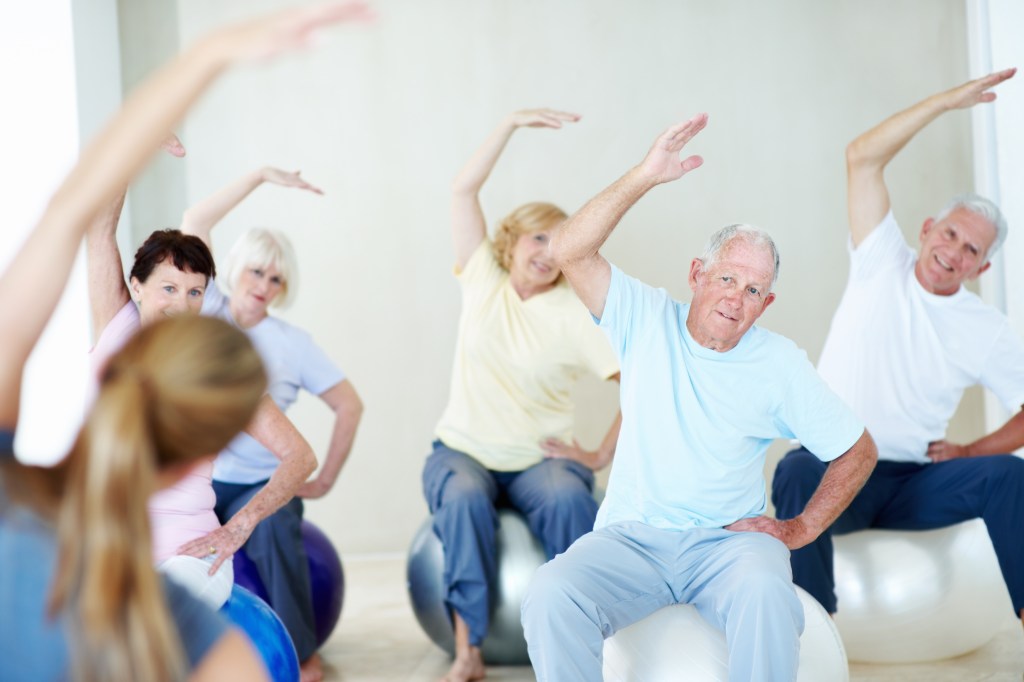
Meditative Movement Practices:
Yoga, tai chi, and qigong are called “meditative movement” practices because they include both meditative elements and physical ones. They are medicine for the brain and body.
Yoga: It may be helpful for general wellness and for some health problems, such as back and neck pain, menopause symptoms and anxiety or depression
Tai chi: It may help to improve balance and prevent falls in older adults, and it may be helpful for some painful conditions, such as low back pain, fibromyalgia, and knee osteoarthritis.
Qigong is an ancient practice that has many different forms. It has not been studied as extensively as yoga or tai chi, but there is evidence that it may help prevent falls and improve symptoms of conditions such as fibromyalgia, chronic obstructive pulmonary disease, and Parkinson’s disease. National Institute of Health March 2023
>Meditation, yoga and other gentle movement practices such as tai chi and qi gong, affect both mood and memory. ‘These movement practices help improve mood, resilience and cognition; reduce inflammation and positively affect brain health’ Helen Lavretsky, PhD, psychiatry professor and researcher at the University of California, Los Angeles. Lavretsky has managed some of the longest-running studies of mind-body interventions for depression and cognitive decline in older adults. 2016 study published in the Journal of Alzheimer’s Disease.
Yoga
>Research shows that yoga can help promote well- being and improve quality of life in seniors, as well as enhance senior health. It’s also an excellent stress relief tool and can carry other physical benefits. 2018, Effects of physical exercise on cognitive functioning and wellbeing
>Mind-body practices that combine meditation AND movement may be most beneficial says Dr. Helen Lavretsky, a Professor In-Residence in the Department of Psychiatry at UCLA and a geriatric integrative psychiatrist. In a 2016 study published in Current Behavior Neuroscience Reports, Lavretsky and her fellow researchers reported that both mindfulness-based meditative practices that focus on present-moment awareness and meditative movements such as yoga can help improve attention and memory. The difference is that yoga practices recruit parts of the brain that are involved in speech, motor function and the ability to make complex decisions.

What is Yoga and how does it work?
Yoga as practiced in the United States typically emphasizes physical postures, breathing techniques, and meditation. Mind-Body-Breath = Whole Body Wellness
Research suggests that yoga may:
>Help improve general wellness by relieving stress, supporting good health, sleep, and balance. >Resolve low-back and neck pain, and possibly pain from tension-type headaches and knee osteoarthritis. >Help people who are overweight or obese lose weight. >Help people quit smoking. >Help people manage anxiety or depressive symptoms associated with difficult life situations. >Relieve menopause symptoms. >Help people with chronic diseases manage their symptoms and improve their quality of life. NIH- National Institute of Health
>Even simple exercise may help aging brain, study hints By LAURAN NEERGAARD August 2, 2022 New research hints that even simple exercise just might help fend off memory problems. While physical activity helps keep healthy brains fit, it’s not clear how much it helps once memory starts to slide. New research hints that even a simple exercise routine just might help older Americans with mild memory problems.
> Yoga’s Healing Power: Research has shown that Hatha yoga, or the physical practice of performing postures, helps older people remain functional and active. Yoga offers a relatively safe way to encourage movement and relaxation, promote joint health and flexibility, restore balance, improve strength and stamina, and provide a degree of pain management. Studies also show that yoga can help improve arthritis, diabetes, insomnia, depression, and other conditions that arise with aging. The contemplative aspects of meditation support stress management and cultivate peace of mind. Jana Long- certified Yoga Therapist and Yoga Alliance Continuing Ed provider.
>Doctors have long advised physical activity to help keep a healthy brain fit. But the government-funded study marks the longest test of whether exercise makes any difference once memory starts to slide — research performed amid a pandemic that added isolation to the list of risks to participants’ brain health. Researchers recruited about 300 sedentary older adults with hard-to-spot memory changes called mild cognitive impairment or MCI — a condition that’s sometimes, but not always, a precursor to Alzheimer’s. Half were assigned aerobic exercises and the rest stretching-and-balance moves that only modestly raised their heart rate. Another key component: Participants in both groups were showered with attention by trainers who worked with them at YMCAs around the country — and when COVID-19 shut down gyms, helped them keep moving at home via video calls. After a year, cognitive testing showed overall neither group had worsened, said lead researcher Laura Baker, a neuroscientist at Wake Forest School of Medicine. Nor did brain scans show the shrinkage that accompanies worsening memory problems, she said. Associated Press AP
Benefits of Yoga for Older Adults
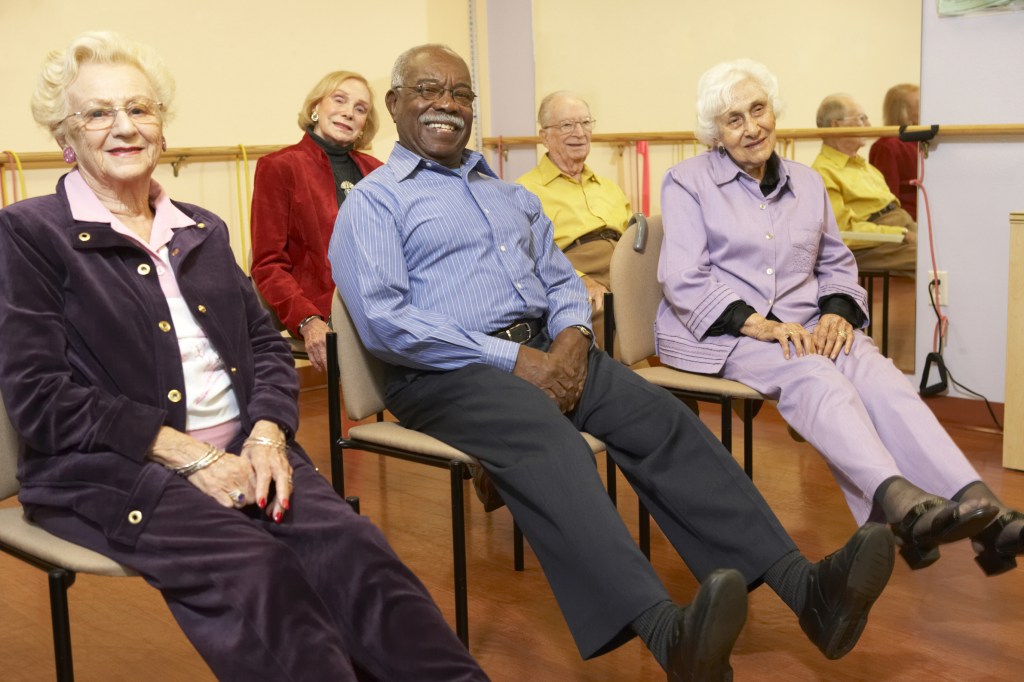
Older adults CAN & DO benefit from regular yoga practice : Mind-Body-Breath = Whole Body Wellness
>Inflammation is part of the immune system however chronic inflammation is destructive to the immune system. Scientific research has shown yoga practice to have an impact on the immune system which in turn can impact the prevention of disease & chronic inflammation.
>Stress & poor sleep (deprivation &/or disturbance) negatively impacts the immune system & function. Yoga has been shown to have positive impact in both areas.
>Yoga, specifically breath work, can positively impact the respiratory system & respiratory disease
>What does research show about yoga for wellness? Research show yoga benefits include: physical; psychological; emotional; stress reduction; mood enhancer.
- Improves shrinkage & bone density
- Slows decline of brain & cognitive function
- Aids in the loss of muscle strength
- Improves the integrity of sleep & thereby reduces the potential for fall
>Studies have suggested possible benefits of yoga for several aspects of wellness, including stress management, mental/emotional health, promoting healthy eating/activity habits, sleep, and balance.
>Research has shown yoga to reduce Cortisol (the ‘stress hormone’) concentration & secretion rate (UCLA Trial of Yoga Interventions for the Elderly) (Journal of Nursing Research, NICCH)
>Physical Exercise Benefits Elderly in Care Homes in this study, researchers observed that older man and women who increased their strength during a three-month exercise program experienced cognitive improvements and an enhanced quality of life. BMC Geriatrics, Maturitas and Experimental Gerontology, June 2018
>The results indicate that yoga may be a promising intervention to manage Fear of falling (FoF) and improve balance, thereby reducing fall risk for older adults. Schmid et al 2010
>The results of this study establish that yoga practices (trataka) can be used as a technique to enhance cognition in the elderly. Talwadkar (2014), International Journal of Yoga.
>After 6 months of silver yoga exercises, the sleep quality, depression and health status of older adults were all improved. Chen et al (2009) , International Journal of Nursing Studies.
>Yoga interventions resulted in small improvements in balance and medium improvements in physical mobility in people aged 60+ years. Youkhana et al (2015) Age and Aging
>Significant improvements in physical function and muscle specific lower extremity strength occur with the regular practice of a modified Hatha Yoga program designed for seniors. Wang et al (2016) Evidence-Based Complementary & Alternative Medicine.
>You’re Never Too Old for Yoga – While not a cure-all, yoga offers countless health benefits to seniors. https://www.nytimes.com/2023/01/25/well/move/yoga-seniors.html?smid=nytcore-android-share
>Justin Mullner a D.C. sports medicine doctor says, “You can see dramatic benefits from exercising in older adults.” These benefits include prevention of osteoporosis and muscle loss, as well as improved blood pressure and blood-glucose levels. * Government guidelines suggest adults over 65 should get at least two and a half hours of moderate exercise per week (brisk walking, for example) and do muscle strengthening activities that work all major muscle groups twice a week. For seniors, fitness is often a way to stay independent: strong enough to lift boxes off shelves, walk up and down stairs, carry groceries and do laundry. “It’s about functional fitness,” says Mullner, who recommends tai chi and yoga for seniors as a way to improve balance and proprioception (spatial awareness and the ability to move effectively and efficiently), which are key in preventing falls. https://www.washingtonpost.com/lifestyle/wellness/even-in-your-70s-its-not-too-late-to-start-working-out/2017/11/06/104121dc-bb52-11e7-9e58-e6288544af98_story.html
>“If the promise of yoga on mental health was found in a drug, it would be the best selling medication world-wide.” Doraiswamy- Professor of Psychiatry and Behavioral Sciences at Duke University.
>Social Support Can Help Keep You Moving https://newsinhealth.nih.gov/2024/05/get-active-together
RESEARCH FINDINGS:
>NICCH & UCLA Research found Seniors DO benefit from regular yoga (breath work, postures & mindfulness). Positive impact on sleep & stress. Slows decline of cognitive functions.
>Researchers found seniors after 3 months increased strength & cognitive Improvements. BMC Geriatrics June 2018
>6 Published studies conclude that Alzheimer patients who engage in exercise experience significant improvements in executive functions. Ageing Research Studies, August 2018
>Evidence suggests that meditation can offset age-related cognitive decline. Annals of NY Academy of Sciences
>Improves balance, prevents falls in seniors & Parkinson’s patients. NIH 2017
>Yoga for the brain: It may sharpen your mind, protect against cognitive decline https://www.washingtonpost.com/wellness/2024/08/15/yoga-cognition-improvement-physical-mental-health/
>Painting (arts), when taken up as seniors, reduces the risk of mild cognitive impairment. Mayo Clinic
>Reiki is a form of complementary healing. It is extremely effective in reducing anxiety, stress, promoting emotional & physical well-being & is extremely effective in promoting relaxation, a sense of peace and security.
>Sound Therapy can develop new neural pathways. UCLA Helen Lavretsky, 2016
>Exercise: Physical Exercise Benefits Elderly in Care Homes. In this study, researchers observed that older men and women who increased their strength during a three-month exercise program experienced cognitive improvements and an enhanced quality of life. BMC Geriatrics, Maturitas and Experimental Gerontology, June 2018
>New research shows that just two weekly 90-minute yoga sessions can improve balance and motor learning as you age. Just a couple weekly yoga classes may help improve your balance and motor learning skills, according to a new study published in the September 2020 issue of Experimental Gerontology. The researchers found that subjects who had completed two weekly 90-minute yoga sessions had a faster reaction time than those who didn’t complete the sessions. The 10-week study looked at the impact of yoga on cognition, motor learning, and balance in older adults, in their 60s and 70s. Researchers noted changes in the levels of brain-derived neurotrophic factor (BDNF) in the yoga group, which they associated with improved balance and motor learning. BDNF serves as a crucial protein in the brain, stimulating the production of healthy neurons.
>Tai chi is a practice from China that involves slow, gentle movements and physical postures, a meditative state of mind, and controlled breathing. Our newly updated fact sheet on tai chi summarizes the research on its potential health effects: Tai chi may be helpful for improving balance and preventing falls in older adults and people with Parkinson’s disease. A small amount of research suggests that tai chi may be helpful in reducing pain in people with low-back pain, fibromyalgia, or knee osteoarthritis.
>A new analysis suggests that physicians use a combination of personal experience and scientific evidence when deciding whether to recommend complementary health approaches. The findings also suggest that physicians who recommend these approaches may have some degree of trust in the opinions of both their peers and patients regarding these approaches. Recently published in Journal of Integrative and Complementary Medicine, the analysis was led by researchers at the National Center for Complementary and Integrative Health (NCCIH) and National Center for Health Statistics and partly funded by NCCIH. Understanding the reasons behind physician recommendations might lead to finding ways to help physicians make appropriate decisions for their patients. For this analysis, the investigators looked at what factors influence whether a physician recommends four common complementary health approaches to patients in an office-based setting. The approaches were herbs and other nonvitamin supplements, chiropractic/osteopathic manipulation, acupuncture, and mind-body therapies (including meditation, guided imagery, and progressive relaxation).
>New Research Finds Mindfulness-Based Stress Reduction Can Be Just as Helpful as Lexapro in Reducing Anxiety A study conducted by researchers at Georgetown University Medical Center makes the case for MBSR. NOVEMBER 10, 2022 ELLEN O’BRIEN >Life can be a lot. Between COVID-19, stressful jobs, and social obligations, well, you know. There’s some heightened anxiety happening. If so, you’re not alone. According to the World Health Organization, cases of anxiety and depression increased 25 percent in the first year of the pandemic. Even with many adults and adolescents dealing with anxious thoughts and feelings, there aren’t enough therapists to provide mental health support. Plus, even for those who can find a licensed professional with availability, sessions can be expensive—and aren’t often covered by insurance. New research finds Mindfulness-Based Stress Reduction (MBSR) may be able to help fill this gap. >How researchers conducted the study MBSR is an eight-week intervention program developed by Jon Kabat-Zinn to combat stress, anxiety and depression. The course combines mindfulness meditation with gentle yoga and movement. Some of these practices include hatha yoga, seated meditation and a walking meditation. >While MBSR doesn’t replace the value of therapy, a recent study sheds new light on the program’s influence. Led by Elizabeth Hoge, MD, director of the Anxiety Disorders Research Program and associate professor of psychiatry at Georgetown University, researchers found MBSR was just as effective as the drug escitalopram in reducing symptoms of anxiety. (Escitalopram, an antidepressant used to treat anxiety, is more commonly known by its brand name Lexapro.) >The study, published in JAMA Psychiatry, recruited 276 people between June 2018 to February 2020 to participate. Researchers divided the participants into two groups: a MBSR one and a escitalopram one. Participants in the MBSR group completed eight weeks of mindfulness training, which consisted of weekly 150-minute classes, one day-long retreat, and daily 45-minute homework exercises. The other group was placed on a standard dosage of escitalopram (between 10 and 20 milligrams). Researchers assessed members of both groups at three points: 8, 12, and 24 weeks after starting the study. The evaluators did not know whether a participant was taking the drug or part of the MBSR cohort. Comparing mindfulness and Lexapro >Evaluators used the Clinical Global Impression of Severity scale to measure the outcomes of the two participant groups. This scale rates participants on the severity of their symptoms from one to seven, with seven representing the highest level of anxiety. At the conclusion of the study, the MBSR group’s mean score fell by 1.35 points compared to the anxiety levels of participants at the start of the study. The escitalopram cohort posted similar results, with its mean score falling by 1.43 points. >“Our study provides evidence for clinicians, insurers, and healthcare systems to recommend, include and provide reimbursement for mindfulness-based stress reduction as an effective treatment for anxiety disorders because mindfulness meditation currently is reimbursed by very few providers,” Hoge said in a statement. How MBSR can be effective in treating anxiety >When it comes to MBSR, it’s not just about anxiety. In 2018, a study published in the Journal of Osteopathic Association found MBSR decreases symptoms of chronic pain and depression. Rather than providing a direct treatment for any of these conditions—from anxiety to pain—MBSR serves as a toolkit, Colleen Gallagher, a qualified MBSR teacher previously told Yoga Journal. >A MBSR course touches on different aspects of mind-body practices, from yoga to cognitive awareness to mind training, allowing participants to develop a way to respond to stressors in the present moment, Gallagher said. As a result, this type of long-term program provides the necessary training to deal with symptoms of anxiety.
>How do people with dementia benefit from yoga? There is growing evidence that therapeutic yoga has a number of benefits with specific applications that may be used to enhance the quality of life for those suffering with dementia. The word dementia comes from the Latin (de) meaning “apart” and (mentis) meaning “mind.” Yoga comes from the Sanskrit root “yuj” “yoke, join, or union,” and is perfectly designed to help bridge the mind and body together by using the breath. Could there be a more perfect antidote to encourage a reunion of the person closer to themselves. The practice of yoga includes breath-work (pranayama), physical movement (asana), and meditation. In a study that looked at 47 different trials and was published by the Journal of the American Medical Association (JAMA) in 2014, it was determined that mindfulness meditation may ease depression, anxiety, and pain (Goyal, et al, 2013). Regular yoga practice promotes strength, endurance, and flexibility and facilitates characteristics of friendliness, compassion, and greater self-control, while cultivating a sense of calmness and well-being (Woodyard, 2011).
>Ageing Research Reviews, August 2018 study on the Benefits of Exercise for Alzheimer’s Patients found that Executive functions are a collection of mental skills- working memory, reasoning, multi-tasking, problem-solving and planning skills – that help the brain organize and act on information. A systemic review of data from six published studies concludes that patients with Alzheimer’s disease who engage in an exercise program may experience significant improvements in their executive function skills.
>One of the many benefits of yoga is that it helps to decrease anxiety and reduce stress. Yoga encourages the practitioner to slow down the breath, which works to calm the nervous system. By slowing the breath and focusing on the present moment, there is a shift in the balance from the sympathetic nervous systems and the flight-or-fight response to the parasympathetic nervous system and the relaxation response. This result produces calm, a lowering of the breath rate, blood pressure, and pulse while decreasing the cortisol levels and creating a sense of well-being, improved self-confidence, self-efficacy, increased attentiveness, lowered irritability and optimism. Yogic practices also help to inhibit the areas responsible for fear, aggressiveness and rage, sometimes seen in dementia patients. Yoga can also raise serotonin levels which helps to decrease depression (Woodyard, 2011).
With a regular yoga practice the body makes a chemical called GABA which elevates the production of alpha waves, allowing a sense of relaxation without drowsiness and boosting mental alertness. GABA lowers beta waves that contribute to nervousness, racing thoughts, and hyperactivity. Studies show that yoga practitioners had a 27 percent increase in GABA levels after yoga sessions compared with a control group (Streeter, 2007). Alpha & Delta waves Sound Therapy recordings)
>The practice of yoga offers a holistic non-pharmacological approach to soften the difficulties associated with dementia, or at the very least, offers an adjunct to medication and other forms of treatment used to enhance the quality of life.
1). Yoga for Alzheimer’s Disease: Laughter Yoga
Start off with getting the students smiling & laughing! One of the surest ways to reach catharsis, relaxation, and communal connection is laughter, the focus of Laughter Yoga. The idea of this yoga form is that even pretending to laugh brings many of the same psychological and physiological benefits of laughing for real, and participants might even find themselves actually laughing.
The classes confer other benefits too. For example, a few laughing residents who seemed to have lost the ability to clap were clapping strongly by the end. Perhaps re-connecting with the neural pathways connected to laughing managed to also reignite those involved with clapping.
2). Yoga for Alzheimer’s Patients and Caretakers: Yoga Asana
Yoga asana can also be helpful. Everyone needs to move their bodies, including Alzheimer’s/dementia patients and their caregivers. Research in medical and psychological science resoundingly attests to exercise’s body-mind benefits. For students, losing motor skills and previously held athletic abilities can make exercising feel strange and awkward – go SLOWLY.
3). Yoga for Alzheimer’s Patients and Caretakers: Breath Awareness
Breath awareness helps keep patients and caregivers connected with physical sensations, thoughts and emotions. Again, the mind-body connection through the use of breath. Both caregivers and patients can participate in gentle yoga practice, a study from Teesside University in Middlesbrough, U.K. found. Lead researcher Yvonne J-Lyn Khoo describes how caretakers therefore don’t feel guilty about taking time to exercise, because it’s also benefitting their memory-disordered loved one. Patients and caretakers in these medical cases—those who are in a situation to truly benefit from it—can enjoy yoga’s adjustable and whole-body, whole-person fitness benefits.
Alan Mozes’s article also cites Catherine Roe, an assistant professor of neurology at Washington University School of Medicine in St. Louis. She describes how “caregivers for people with dementia are under so much stress … They often neglect themselves and have no time do things like exercise or meditate. So this is one way that might be possible,” she said.
**Yoga Poses for Alzheimer’s Disease: Chair Yoga**
What does yoga for dementia patients and their caregivers look like? Teaching Chair Yoga in a locked memory care unit: I found that keeping it simple, slow (yet fluid), and fun most successfully engaged the residents who attended my classes. They loved verbal imagery. For example, I would encourage them to “reach and pick an apple!” in an upward salute.
The residents also seemed to particularly enjoy flowing Sun Salutations adapted for a chair. They also relished in opportunities to reach and extend (such as a modified Downward Dog and a Tree Pose with just the arms). Throughout, I prompt breath with each movement, and taking rests when ‘your body needs to – listen to your body’.
I end classes with a body scan to relax each muscle and by continuing with imagery work. Guided mini, relaxing meditations I offer at that point included imagining walking through a favorite place (and bringing to mind associated smells, sounds, sights, et cetera) or at a quiet Mountain Lake (still, calm, serene mind & lake) or at your favorite beach (breath mimics the rhythm of the waves). The latter could also contribute to maintaining body awareness.
At closing students have a sense of calm and peace that wasn’t present right before the group gathered for class. Kate Fairhurst, Founder of Mindful Well-being, Inc.
>Yogic Breathing Affects Cerebrospinal Fluid Dynamics During Breathing Practice Practicing yogic breathing may have an effect on an individual’s cerebrospinal fluid (CSF) dynamics—the movement, flow, and circulation of the CSF—and on the health of the central nervous system, according to a new study published in the journal Scientific Reports. This study, conducted by researchers at Oregon Health & Science University and funded by the National Center for Complementary and Integrative Health, the National Institute on Aging, and the National Center for Advancing Translational Sciences, was the first to analyze the impact of deep breathing on CSF dynamics. CSF is a type of fluid compartment around the brain and spinal cord that serves as a cushion for these organs. CSF distributes nutrients and hormones, and along with interstitial fluid (ISF, the fluid found in the spaces around cells), helps the central nervous system to remove metabolic waste from its environment. Like most fluids in our body, the CSF also moves. In fact, the study of CSF dynamics has become a recent focus in the field of neuropathology. Understanding how the CSF moves and exchanges with ISF is of high importance for Alzheimer’s and other diseases of the nervous system. CSF movement is driven primarily by pressure changes, usually from the pulsations of the heart and sometimes respiration. Previous research discovered that CSF flow oscillations during the non-rapid eye movement stage of sleep are deeper and slower than the oscillations during wakefulness. This change in CSF dynamics that occurs during sleep may increase the rate at which the brain clears itself of waste because of increased exchange between the CSF and ISF. Researchers in this study hypothesized that a similar alteration in CSF flow oscillations and CSF-ISF exchange may occur during deep yogic breathing. To test their hypothesis, the researchers used magnetic resonance imaging (MRI) to measure and compare the CSF velocities during yogic breathing and regular breathing. They recruited 18 healthy participants ages 18 to 61 years, all of whom did not regularly practice any mind-body exercise that focused on breathing. During an imaging visit, participants were provided with instructions on the breathing practices and became accommodated with the MRI machine prior to completing an hour-long MRI scan. During the MRI session, participants were instructed to breathe in five different ways: spontaneous breathing, slow breathing, deep abdominal breathing, deep diaphragmatic breathing, and deep chest breathing. The latter three ways of breathing together make up a yogic breathing technique known as the three-part breath. Researchers collected respiration data with a respiration bellow and pulse data with a finger pulse sensor concurrently during the MRI session. Researchers found that participants experienced a 16 to 28 percent increase in the power and velocity of the CSF flow in the skull during yogic breathing when compared to spontaneous breathing. Of the yogic breathing conditions, deep abdominal breathing led to the most statistically significant increase of CSF oscillation. Moreover, heart pulsation was shown to be the primary driver of the CSF movements during all the breathing conditions, with the exception of deep abdominal breathing, when there was a similar contribution of power from both respiration and heart pulsation. Findings from this study suggest that respiration can potentially be the primary driver of CSF dynamics, depending on the form of breathing an individual is practicing. The researchers noted that the next step is to see how long-term yogic breathing training could affect the CSF dynamics, and therefore, central nervous system health. Yildiz S, Grinstead J, Hildebrand A, et al. Immediate impact of yogic breathing on pulsatile cerebrospinal fluid dynamics. Scientific Reports. 2022;12(1):10894.
Intergenerational Yoga
>INSIGHTS GAINED FROM A VIRTUAL INTERGENERATIONAL YOGA INTERVENTION https://academic.oup.com/innovateage/article/8/Supplement_1/1323/7939604
>INTERGENERATIONAL VIRTUAL YOGA INTERVENTION INVOLVING OLDER ADULTS AND COLLEGE STUDENTS https://pmc.ncbi.nlm.nih.gov/articles/PMC9770521/
>”Physical and mental health benefits of an intergenerational yoga inter” by Crystal Rose McKinney https://digitalcommons.humboldt.edu/cgi/viewcontent.cgi?article=1812&context=etd
>Intergenerational yoga helps kids, elders get physically fit together https://www.cbsnews.com/minnesota/news/intergenerational-yoga-helps-kids-elders-get-physically-fit-together/
Sleep Soundly
>Our brains clear out waste products, such as beta-amyloid, through a series of channels (called the glymphatic system) as we sleep. The process that goes haywire in the brains of Alzheimer’s patients doesn’t allow for the normal clearing of waste. Research suggests that deep sleep may also help reduce stress hormones and improve glucose metabolism, both of which impact inflammation levels. (Yoga Journal) Study published in Science magazine
>22 randomized controlled trials reviewed by academics at the University of Edinburgh show that yoga alleviated symptoms of depression and improved sleep quality in people over the age of 60. International Journal of Behavioral Nutrition and Physical Activity.
>The most important thing we can do for our brains as we age is sleep. Deep sleep, in particular, impacts learning and memory: When we’re in it, chemicals transfer memories for long-term storage in the brain.
Yogic Breathing
>Being aware of your breath forces you into the present moment- the key to all inner transformation. Whenever you are conscious of breath, you are absolutely present. You may also notice that you cannot think and be aware of your breathing. Conscious breathing stops your mind. Eckhart Tolle
>To focus your intention on the present moment, a common practice is to focus on your breath. The breath is always the present moment. Focusing on the breath helps us experience wholeness- mind and body. Every Mindful Well-being class ends with this yogic breathing practice.
>Practicing yogic breathing may have an effect on an individual’s cerebrospinal fluid (CSF) dynamics- the movement, flow, and circulation of the CSF- and on the health of the central nervous system, according to a new study published in the journal Scientific Reports. This study, conducted by researchers at Oregon Health & Science University and funded by the National Center for Complementary and Integrative Health, the National Institute on Aging, and the National Center for Advancing Translational Sciences, was the first to analyze the impact of deep breathing on CSF dynamics. Researchers found that participants experienced a 16 to 28 percent increase in the power and velocity of the CSF flow in the skull during yogic breathing when compared to spontaneous breathing. (Yildiz S, Grinstead J, Hildebrand A, et al. Scientific Reports, Dec. 2022)
>According to a published study from 2017, alternate nostril yoga breathing significantly reduced blood pressure and increased alertness. Systolic blood pressure, the pressure in the blood vessels when the heart beats, dramatically decreased in participants after eighteen minutes of practice. Medical Science Monitor Basic Research December 2017
>To focus your attention on the present moment, a common practice is to focus on your breath. The breath is always in the present moment. Focusing on the breath helps us experience Whole Body Wellness
Reduce Cognitive Dysfunction & Rise of Dementia
Exercise can boost memory
>It’s the most important thing you can do to keep your memory sharp and reduce risk of dementia as you age,” stresses Rao of the Cleveland Clinic. Rao is currently doing research among people who have an APOE4 allele, which increases risk of later developing Alzheimer’s.
>People older than 55 and wish mild cognitive impairment- a risk factor for dementia and Alzheimer’s) who practiced yoga over a 12-week period experienced improvements in mood and in visual and verbal memory for up to six months. Thorough scans she was able identify increased neural connectivity inn the default mode networks (DMNs) of their brains- where complex decisions are made; awareness, focus, and empathy emerge; and memories are stored –Helen Lavretsky, PhD, psychiatry professor and researcher at the University of California, Los Angeles “Creating new neural pathways is a way of recovering and improving cognitive capacity, including processing speed and memory, that may decline with aging or brain diseases like Alzheimer’s or Parkinson’s, Lavretsky says. Spiritual practices, such as meditation, also improve the ability for self-regulation during stress, meaning your mind and body learn to not react immediately to stressors. Instead you can take a breath, get centered, and respond in a healthier way. Meditative practices may also change neural activity and connectivity in the DMN.
>SA TA NA MA: This 12 minute Kundalini Yoga meditation, called Kirtan Kriya, has been shown to reverse cognitive decline when practiced daily. (Yoga Journal) Kirtan Kriya is a method of meditation that combines a mantra or chant with repetitive motion of the fingers to focus thoughts. In a 2015 article published in the Journal of Alzheimer’s Disease , Dharma Singh Khalsa found that practicing this meditation improved participants’ ability to perform memory tasks. This is practice part of every Mindful Well-being Yoga Seated Chair class.
>In a 2016 study published in Current Behavioral Neuroscience Reports, Study after study has been shown that meditation alone (essentially a workout for your brain) can increase connectivity in the parts of your brain responsible for decision-making and memory. Just 27 minutes of meditation per day of eight weeks kept the brains of 50 year olds looking much younger. Mind-body practices that combine meditation and movement may be the most beneficials, says Lavretsky. Both mindfulness-based meditative practices that focus on present moment awareness, like vipassana and Zen, and meditative movements, such as yoga, can help improve attention and memory. Yoga practices recruit parts of the brain that are involved in speech, motor function, and the ability to make complex decisions. (Yoga Journal)
https://www.yogajournal.com/lifestyle/food-diet/yoga-rx-dementia-alzheimers-memory-loss/
Meditation
>Meditation practice is thought to be around 2,600 years old. Even though it is deeply ingrained in Hinduism and Buddhism, it is not religion
>Meditation is the second most popular mind and body practice in the U.S., placing it just behind yoga and just ahead of visiting a chiropractor. Women are more likely to meditate than men.
>Study after study has shown that meditation alone can increase connectivity in the parts of your brain responsible for decision-making and memory. In one 2011 study, reported in the journal Psychiatry Research, a team of Harvard University neuroscientists observed, through brain scans, that just 27 minutes of meditation per day for eight weeks kept the brains of 50-year-olds looking much younger. The minds had as much gray matter as the brains of 25-year-olds.
>Did you know that a regular practice of mindfulness meditation increases the connection between the brain and body? This can enhance physical efficiency, resilience and endurance.
>Muscle relaxation is related to meditation in a very basic way – quieting the body makes it easier to quiet the mind. For a good night’s sleep, try progressive muscle relaxation before going to bed. Lie down and breath in and out as you systematically tense and release every muscle. This technique has been shown to alleviate insomnia and give your body and mind the tranquil rest needed.
>According to Dr. Patrizia Collard, in her book The Little Book of Meditation, the benefits of meditation “include improved immune responses and faster recovery from some medical conditions (for example- psoriasis, chronic pain, and even some forms of cancer). Meditation can help lower your blood pressure and improve the quality of sleep…Neuroscientists have also demonstrated that mediation-the use of mental images, in particular-has a therapeutic effect on the psyche.”
>A 2018 study published in the Journal of Cognitive Enhancement found that long-term meditation using mindfulness(concentration) techniques was associated with improvements in sustained attention and could alter the trajectory of age-related cognitive decline.
>Meditation has a long history of use for increasing calmness and physical relaxation, improving psychological balance, coping with illness, and enhancing overall health and well-being. There is some evidence that meditation may reduce blood pressure. There is also moderate evidence that meditation improves symptoms of anxiety. NICCH – National Institute of Health Complementary Care & Integrative Health
>Studies have documented a wide range of health benefits that result from regular meditation. A daily practice can lower blood pressure, heart rate, breathing rate, and stress hormone levels so you experience less anxiety. You will also have more feelings of well-being and deeper relaxation
>A Harvard Study found that people who visualized playing the piano turned on the same part of the brain as those who actually practiced the piano. The finding suggests that mentally practicing could lead to mastery and, more profoundly, that mental training changes the physical structure of the brain.
>Mini-meditations are a way to foster peace of mind : https://wtop.com/lifestyle/2025/10/mini-meditations-are-a-way-to-foster-peace-of-mind-at-work/
>Meditation helps develop mental discipline. It can increase willpower, help control impulses, and gain an understanding of the causes behind addictive behavior. Research shows that it can help people recover from addiction, lose weight and change otherwise unwanted habits.
>It has become increasingly common for mindfulness meditation to be combined with psychotherapy, especially cognitive behavioral therapy. This development makes sense, since both share the common goal of people gain perspective on irrational and self-defeating thoughts. Harvard Health Publishing, Helpguide.org
>The word ‘meditation’ comes from the Latin word ‘meditatum’ meaning to ponder. Research shows some of the benefits of ‘pondering’ are slowing the aging process, relieving lower back pain and strengthening the immune system.
>Research published in 2012 compared experienced meditators with those new to the practice. The brains of the experienced meditators showed key differences, most notably in the parts of the brain responsible for ,memory and concentration.
>Zuowang Meditation: Zuowang (emptiness meditation) is a Taoist technique to clear the mind of unwanted concerns, negative emotions, and overabundance of thoughts or mental images. Scan your body for any tension or discomfort. Relax each body part and muscle and experience the space around you. Bring your awareness to the space of your mind. Focus on the emptiness of your mind with no thoughts, beliefs, feelings, or emotions. When your practice is complete, you should feel a great sense of inner peace.
>Studies have shown that when meditation is practiced regularly- and for only a few minutes a day- it produces a relaxation response that reduces that activity of the sympathetic nervous system. Keeping our fight-or-flight response from triggering also helps regulate our heart rate, blood pressure, and breathing rate.
>We conclude that meditation intervention for older adults are feasible and preliminary evidence suggests that meditation can offset age-related cognitive decline. –Annals of the New York Academy of Sciences
>Studies done by Harvard University neuroscientist Herbert Benson & psychologist Tania Singer show that the brain gives visualizations comparable status to actual memories of real events. If you meditate regularly & visualize emotions like peace, inner calm, harmony, fulfillment & love, in time these will become part of your real-life experience. >Stress Management Methods Useful to Older Adults– Meditation: Studies on meditation show that it can not only provide relief from stress when it is practiced but can help build a kind of immunity to future stress- your stress response may be triggered less often if you meditate regularly. Meditation is also an ideal stress reliever for seniors in that it requires no special equipment or physical ability, can be practiced in a variety of settings, and provides excellent relief from stress. The Benefits of Mindfulness-based art therapy by Arlin Cuncic July 2021
>Benefits of Meditation: *Helped to reduce stress level or to relax *Helped to feel better emotionally *Improved overall health and make you feel better *Helped to sleep better *Improved relationships with others *Made it easier to cope with health problems *Gave a sense of control over health Prevalence, patterns, and predictors of meditation use among US adults: A nationally representative survey. Cramer H, Hall H, Leach M, Frawley J, Shang Y, Leung B, Adams J, Lauche R. Science Reports.2016 Nov 10
>Neuroimaging – Researchers can now see the long term effects of practicing meditation on neuroplasticity- the ability of the brain to form new connections, especially in response to learning or experiencing something new. Just as exercise develops your muscles, practicing presence through meditation strengthens neuroplasticity.
>Neurochemistry -Serotonin helps regulate mood, social behavior, appetite, sleep, memory and more. Meditation has also been shown to increase serotonin. Change Your Mind Meditation literally changes your neural configurations. Meditation can help prevent many issues before they start. It cultivates the neurobiology of optimal health and resilience. Ann Swanson has a Master of Science in Yoga Training and is the author of Science of Yoga. asana, and pranayama stimulate your brain, which helps prevent atrophy and functional decline. Meditation seems to slow the natural reduction of brain tissue that comes with aging and improve cognition and memory. Gray matter increases in the prefrontal cortex, improving focus, problem-solving, and emotion regulation. The hippocampus thickens, which boosts working memory and keeps you anchored in the present.
>Meditation has a long history of use for increasing calmness and physical relaxation, improving psychological balance, coping with illness, and enhancing overall health and Wellbeing. There is some evidence that meditation may reduce blood pressure. There is also moderate evidence that meditation improves symptoms of anxiety. NIH Complementary Care & Integrative Health
>Meditation to Boost Health and Well-Being. Practicing mindfulness and meditation may help you manage stress and high blood pressure, sleep better, feel more balanced and connected and even lower your risk of heart disease.
Meditation and mindfulness are practices — often using breathing, quiet contemplation or sustained focus on something, such as an image, phrase or sound — that help you let go of stress and feel more calm and peaceful. Think of it as a mini-vacation from the stress in your life! Stress is your body’s natural alarm system. It releases a hormone called adrenaline that makes your breathing speed up and your heart rate and blood pressure rise. It kicks us into action, which can be a good thing when we’re faced with a real danger or need to perform. AMERICAN HEART ASSOCIATION https://www.heart.org/en/healthy-living/healthy-lifestyle/mental-health-and-wellbeing/meditation-to-boost-health-and-wellbeing?utm_source=sfmc&utm_medium=email&utm_campaign=251221+YA+Weekly+-+Dec+21&utm_term=Meditation+to+Boost+Health+and+Well-Being&utm_id=110103&sfmc_id=2102294
>Meditation can improve well-being and quality of life
Recent studies have offered promising results about the impact of meditation in reducing blood pressure. There is also evidence that it can help people manage insomnia, depression and anxiety.
Some research suggests that meditation physically changes the brain and could help:
- Increase ability to process information.
- Slow the cognitive effects of aging.
- Reduce inflammation.
- Support the immune system.
- Reduce symptoms of menopause.
- Control the brain’s response to pain.
- Improve sleep.
It’s clear that meditation’s effects on the body and brain are a no-brainer! AMERICAN HEART ASSOCIATION
>The promise of meditation for the heart and mind AMERICAN HEART ASSOCIATION Meditation, as a religious practice or mystic experience, may be as old as humanity. Evidence of its use dates back as far as 7,000 years, and some scholars speculate it might have begun among people sitting in caves, gazing into their fires.
Today, it’s also the focus of serious scientific attention. While much of the work is preliminary, what researchers have learned about potential health benefits has them eager to learn more.
“Interest in meditation is vast – and is deep,” said Dr. Prab Nijjar, a cardiologist and assistant professor at the University of Minnesota School of Medicine in Minneapolis.
Nijjar, who has led studies related to meditation and the heart, cautions that “there’s probably more that we don’t know than we know” about meditation’s benefits. But he’s far from alone in seeing potential.
A 2016 report in the Annals of the New York Academy of Sciences said that most accredited medical schools in the U.S. incorporate mindfulness-based practices in their programs. And a 2017 scientific statement from the American Heart Association noted that as many as 1 in 4 people with heart disease use or have used some form of mind‐body therapy such as meditation.
Nijjar said meditation is loosely described as “bringing awareness to every moment,” but definitions vary, posing a challenge for researchers.
“There’s all different types of meditation and mindfulness-informed practices,” said Karen Saban, a professor at Loyola University Chicago’s Marcella Niehoff School of Nursing.
Saban’s research has focused on mindfulness meditation. “Mindfulness is really becoming aware of what you’re thinking, and accepting those thoughts and some of those physical sensations and emotions, without interpreting them and without judging,” she said. “So you’re really in the moment and being present and not trying to change anything.”
To achieve that awareness, mindfulness meditation uses a focus on breathing, Nijjar said, while other methods, such as transcendental meditation, might use chanting.
In studies, researchers often use Mindfulness-Based Stress Reduction, or MBSR, which was developed in 1979 by Jon Kabat-Zinn at the University of Massachusetts Medical School. It’s a standardized eight-week program with certified instructors.
Studies have at least hinted at ways mindfulness meditation might affect the body.
In studies involving people with early-stage breast cancer and lonely elderly people, MBSR training reduced levels of pro-inflammatory molecules. “Those inflammatory markers are what contribute to the development of things like atherosclerosis and cardiovascular disease,” Saban said.
Other research has explored whether chromosomes of long-term meditators show reduced signs of aging. And several studies have found evidence that MBSR leads to changes in the structure of the brain.
“There’s some belief that practice of mindfulness meditation can lead to these neuroplastic changes in the brain that regulate things like attention, emotion and self-awareness,” Saban said. It’s possible that by changing connectivity within the brain, “it can help develop emotional regulation, help develop resilience against stress, and then ‒ hopefully, ultimately ‒ improve the ability to deal with stress.”
Nijjar’s work has looked at whether meditation might help people undergoing cardiac rehabilitation. He led a 2019 study of 47 heart patients published in Scientific Reports that found those who had MBSR training showed improvements in depression after three months compared with those who did not have the training.
Research published in the Journal of the American College of Cardiology showed the potential for yoga, which incorporates meditation, to improve symptoms and quality of life in people with a type of irregular heartbeat known as atrial fibrillation.
The reasons meditation might help with cardiovascular issues are not clear, Nijjar said, but his work suggests it could boost the parasympathetic nervous system, which handles “rest and digest” functions, and calm the sympathetic nervous system, which drives the “fight or flight” response.
The 2017 AHA scientific statement said no conclusions could be drawn as to the effectiveness of meditation to prevent heart disease. But it said meditation could be a “reasonable” approach to include alongside better-established approaches.
Anyone interested in starting should be aware it takes practice, Saban said.
“It sounds easy, but it’s very difficult to sit quietly and not let your mind wander all over the place,” she said.
Classes taught by a certified MBSR instructor could help, experts said. Meditation apps also could provide an introduction.
Future research might provide better information about how meditation could help different subgroups of people, Saban said. She’s preparing to publish findings from a randomized clinical trial about how it affected women veterans. A colleague is studying its potential benefits for Black mothers who recently gave birth.
In the meantime, Saban said there are good reasons for just about anybody to learn how to meditate.
“It’s safe,” she said. “It doesn’t involve medications. It’s fairly inexpensive. It’s something that they can do that they have control over. And you can do it just about anywhere.”
What is Mindfulness?
In 2014, Time magazine’s cover story proclaimed that the Mindfulness Revolution had begun in the United States. Today, Google, Microsoft, Nike, and many other mega-companies offer mindfulness practices to employees throughout the work day. Mindfulness is said to boost productivity and help workers cope with stress. However, its benefits are more wide and far-reaching: mindfulness can benefit anyone. By Nicol Epple. SFU Instructor and task force advisory member
>The Benefits of Mindfulness *Mindfulness Lowers Stress *Mindfulness Sharpens Focus *Mindfulness Expands Empathy Mindfulness Improves Well-Being Minful.org or the Center for Contemplation and Action, Richard Rohr; NIH National Center for Complementary and Integrative Health 3/1/23
Mindfulness exercises can be as effective as anxiety drugs, study shows https://www.washingtonpost.com/wellness/2023/01/23/mindfulness-meditation-anxiety-medication/
Relaxation Techniques
Relaxation techniques are practices that help bring about your body’s relaxation response- which is the opposite of the response to stress. Both adults and children can use them. There are several types of relaxation techniques that you may want to try, including: Every Mindful Wellbeing yoga class begins with Progressive relaxation, which involves tensing different muscles in your body and then releasing the tension. The basis of Mindful Well-being Relaxing Meditation Class is Guided Imagery or “visualization,” which involves picturing objects, scenes, or events associated with relaxation or calmness and trying to produce a similar feeling in your body.
(MWB Guided Imagery Sensory) Relaxing Meditation: Did you know that visualization is a very powerful meditation technique? Practice it on its own or in combination with other forms of meditation. Picture yourself somewhere calming and beautiful. Just let yourself sink into the practice for that day.
Not convinced that visualization helps your memory? A Harvard study found that people who visualized playing the piano turned on the same part of the brain as those who actually practiced the piano. The finding suggests that mentally practicing, say, a golf swing could lead to mastery with less physical practice, and more profoundly, that mental training changes the physical structure of the brain.
One way to calm a worried mind is to distract yourself with interesting and engaging imagery involving as many of your senses as possible. Close your eyes and picture a lovely beach- can you hear the crashing of waves? Can you feel the sun on your skin and taste the salt from the sea? If you are doing this before bed, remember images can transfer to dream content, so keep them pleasant and positive.
In a June 2022 report the WHO and the International Labour Organization recommended that well-being practices like staff yoga would significantly improve mental health saving businesses one trillion dollars. (Staff/Caregiver Classes/Workshops)
https://www.nccih.nih.gov/health/relaxation-techniques-what-you-need-to-know
Yoga Shown to Improve Anxiety, Study Finds https://nyulangone.org/news/yoga-shown-improve-anxiety-study-finds?utm_source=sfmc&utm_medium=email&utm_campaign=YA+Weekly+-+August+10&utm_term=Read+the+article+here.&utm_id=92522&sfmc_id=2102294
Research & Study Links
Research shows that regular exercise is linked to fewer days of restricted activity, reduced risk of institutionalization, and improvement for those living with dementia or experiencing some form of memory loss.
How Does the Brain Think https://theconversation.com/how-does-the-brain-think-224228?utm_source=join1440&utm_medium=email&utm_placement=newsletter
When Is the Best Time to Work Out? https://www.nytimes.com/2024/05/04/well/move/workout-exercise-morning-evening.html?smid=nytcore-android-share
Timing of Moderate to Vigorous Physical Activity, Mortality, Cardiovascular Disease, and Microvascular Disease in Adults With Obesity | Diabetes Care | American Diabetes Association https://diabetesjournals.org/care/article/47/5/890/154403/Timing-of-Moderate-to-Vigorous-Physical-Activity
NIH Yoga for Health (eBook) https://www.nccih.nih.gov/health-info/yoga-for-health-ebook?fbclid=PAZXh0bgNhZW0CMTEAAabupEYS5K2eOvp3RPNazmSTSRG4banrpGMLq6MCspdmDyr3-j4HUkmjq9U_aem_Accc9zzU_G1yJc-HkcqDGo9BrL3MQYv6nVJm1OAsp8Zv9g5ap_SFD8YiaIJXsM3qjUe67FsCqRown6Iwe6D64Pk8
Yoga for Pain: What the Science Says https://www.nccih.nih.gov/health/providers/digest/yoga-for-pain-science?fbclid=PAZXh0bgNhZW0CMTEAAaaOaABEmsBftLTA1oEOL_kzrTJCI3IF9rCOusNg2QiRQ48L4nnCNXiC_z0_aem_AccBZjdHP8waMzOY1oDAcQ9XOyFU9ZROtzslIp-Oxgv7rdmuDpK4IeqlS1VKF63hNhen7dPkQEoXJEtMdRjMuYNG
YOGA: What you need to know. What are the health benefits of yoga? https://www.nccih.nih.gov/health/yoga-what-you-need-to-know?fbclid=PAZXh0bgNhZW0CMTEAAaZDmVg5SGIbP_qbNzXFj3fKnnK-2zLlP5V_NStozKUJ1RXzA-WCkAC-UgY_aem_Acchzd4RKCGw5Gu2NfeFtnI2CedTdfpW27rmfqtANwIqVHQc57zMCxj3MFYGhUOmb2xmAIciRPcW4mVYQSaw-ZlS
Meditation and Mindfulness: What You Need To Know https://www.nccih.nih.gov/health/meditation-and-mindfulness-what-you-need-to-know
Psychological and Physical Approaches for Substance Use Disorders: What the Science Says https://www.nccih.nih.gov/health/providers/digest/mind-and-body-approaches-for-substance-use-disorders-science?nav=govdcd
Yoga Alliance CE Workshop | Scientific Research on Yoga and Meditation: The Relaxation Response https://www.yogaalliance.org/Events/Watch_Past_Events/CE_Workshop_Scientific_Research_on_Yoga_and_Meditation_The_Relaxation_Response?utm_source=sfmc&utm_medium=email&utm_campaign=YA+Weekly+-+April+28&utm_term=Scientific+Research+on+Yoga+and+Meditation%3a+The+Relaxation+Response&utm_id=31620&sfmc_id=2102294
NYTimes: How Exercise Strengthens Your Brain https://www.nytimes.com/2024/04/02/well/mind/exercise-mental-health-cognition.html?unlocked_article_code=1.hU0.Lkwf.MT6Hp12lf3vr&ugrp=m
[The Washington Post] Healthy habits may shield against dementia even after brain changes https://www.washingtonpost.com/wellness/2024/03/16/dementia-aging-brain-diet-exercise/
NIH: Meditation and Mindfulness: What You Need To Know https://www.nccih.nih.gov/health/meditation-and-mindfulness-what-you-need-to-know?nav=govd
Harvard: Is relaxation as effective as meditation? A study shows that both mindful meditation and the relaxation response provide benefits, however, the mindfulness program resulted in further improvements in measures such as self-compassion and rumination https://news.harvard.edu/gazette/story/2018/06/mindfulness-meditation-and-relaxation-response-affect-brain-differently/#:~:text=A%20study%20shows%20that%20both,as%20self%2Dcompassion%20and%20rumination.
RESULTS OF A RANDOMIZED CONTROLLED TRIAL ON YOGA FOR EATING DISORDERS https://www.eatbreathethrive.org/study-results
NIH analysis reveals a significant rise in use of complementary health approaches, especially for pain management https://www.nccih.nih.gov/news/press-releases/nih-analysis-reveals-a-significant-rise-in-use-of-complementary-health-approaches-especially-for-pain-management
Qigong in the prevention of bone loss for middle-aged women – PubMed https://pubmed.ncbi.nlm.nih.gov/17080541/
Relaxation Techniques: https://www.nccih.nih.gov/health/relaxation-techniques-what-you-need-to-know?nav=govd
NYTimes: Medical Meditation? Clinical Yoga? Alternative Therapies Go Mainstream https://www.nytimes.com/2024/02/02/health/medical-alternative-meditation-acupuncture.html?smid=nytcore-android-share
Mind and Body Approaches for Stress and Anxiety: What the Science Says https://www.nccih.nih.gov/health/providers/digest/mind-and-body-approaches-for-stress-science?nav=govdcd
NIH: Trying a New Mind and Body Practice? Our Resources Can Help https://www.nccih.nih.gov/health/tai-chi-what-you-need-to-know?nav=govd https://www.nccih.nih.gov/health/qigong-what-you-need-to-know?nav=govd https://www.nccih.nih.gov/health/yoga-what-you-need-to-know?nav=govd https://www.nccih.nih.gov/health/relaxation-techniques-what-you-need-to-know?nav=govd
Mind and Body Practices https://www.nccih.nih.gov/health/mind-and-body-practices?nav=govd
Physical activity programs for balance and fall prevention in elderly https://www.ncbi.nlm.nih.gov/pmc/articles/PMC6635278/#:~:text=Higher%20levels%20of%20physical%20activity,between%2030%25%20and%2050%25
NYTimes: You’re Never Too Old for Yoga
While not a cure-all, yoga offers countless health benefits to seniors. https://www.nytimes.com/2023/01/25/well/move/yoga-seniors.html?smid=nytcore-android-share
Chronic Pain: What You Need To Know https://www.nccih.nih.gov/health/chronic-pain-what-you-need-to-know?nav=govd
Physical Activity: Health Impact – Exercise is Medicine https://www.exerciseismedicine.org/eim-research0/physical-activity-health-impact/
Meditation and a relaxation technique to lower blood pressure https://www.health.harvard.edu/heart-health/meditation-and-a-relaxation-technique-to-lower-blood-pressure
Impact of Yoga on cognition and mental health among elderly: A systematic review – PubMed https://pubmed.ncbi.nlm.nih.gov/32951703/
Exercise for reducing fear of falling in older people living in the community – PubMed https://pubmed.ncbi.nlm.nih.gov/25432016/
The effects of yoga on physical functioning and health related quality of life in older adults: a systematic review and meta-analysis – PubMed https://pubmed.ncbi.nlm.nih.gov/22909385/
Effects of yoga-based interventions on cognitive function in healthy older adults: A systematic review of randomized controlled trials – PubMed https://pubmed.ncbi.nlm.nih.gov/33618011/
The Influence of Yoga on the Cognitive Function of People Aged 60 Years and Older: A Systematic Review – PubMed https://pubmed.ncbi.nlm.nih.gov/35648688/
[The Washington Post] How exercise leads to sharper thinking and a healthier brain https://www.washingtonpost.com/wellness/2023/04/05/exercise-brain-thinking-bdnf/
Effects of Distant Reiki On Pain, Anxiety and Fatigue in Oncology Patients in Turkey: A Pilot Study – PubMed https://pubmed.ncbi.nlm.nih.gov/26163604/
Researchers Have Pinpointed The One Type of Strengthening Exercise That Makes People Live Longer—And It’s Not What You Think https://www.yogajournal.com/lifestyle/social-fitness-happiness-longevity-waldinger/
Can Practicing Yoga Actually Improve Your Immunity? https://www.yogajournal.com/lifestyle/improve-your-immunity-yoga/?utm_campaign=YOG+-+NL&utm_medium=email&_hsmi=243531693&_hsenc=p2ANqtz-95TeRltcp8AyZ1iHkI1z0kWmzkeW3kNbVHqBnthpE6wBD5fRgeOZYGnjWTkFAs0enRcg84act2eO4OoHmS6e6DVJOy4q3Yi69ZevbTn3DZhstqXtI&utm_content=243531693&utm_source=hs_email
How Yoga Can Help Manage Pain and Trauma https://health.usnews.com/health-news/blogs/eat-run/articles/how-yoga-can-help-manage-pain-and-trauma?utm_source=sfmc&utm_medium=email&utm_campaign=YA+Weekly+-+May+12&utm_term=How+Yoga+Can+Help+Manage+Pain+and+Trauma&utm_id=32877&sfmc_id=2102294
Yoga In The World Research Study- Yoga Alliance 2024 https://www.yogaalliance.org/Yoga_in_the_World?utm_source=sfmc&utm_medium=email&utm_campaign=YA+Weekly+-+May+12&utm_term=click+here&utm_id=32877&sfmc_id=2102294
NIH- Understanding How Exercise Affects the Body https://www.nih.gov/news-events/nih-research-matters/understanding-how-exercise-affects-body
The Efficacy and Safety of Yoga in Managing Hypertension https://www.thieme-connect.com/products/ejournals/abstract/10.1055/s-0035-1565062?device=mobile&innerWidth=360&offsetWidth=360
Does the Sound of a Singing Bowl Synchronize Meditational Brainwaves in the Listeners? https://www.ncbi.nlm.nih.gov/pmc/articles/PMC10298245/
NIH Updates on Arts-Based Interventions and Integrative Health https://www.nccih.nih.gov/research/blog/updates-on-arts-based-interventions-and-integrative-health?nav=govd
6 Things To Know About Psychological and Physical Approaches for Substance Use Disorders https://www.nccih.nih.gov/health/tips/things-to-know-about-mind-and-body-approaches-for-substance-use-disorders?nav=govd
Cognitive and immunological effects of yoga compared to memory training in older women at risk for alzheimer’s disease https://www.nature.com/articles/s41398-024-02807-0#citeas
Yoga provides unique cognitive benefits to older women at risk of Alzheimer’s disease, study finds https://www.uclahealth.org/news/release/yoga-provides-unique-cognitive-benefits-older-women-risk?utm_source=sfmc&utm_medium=email&utm_campaign=YA+Weekly+-+June+9&utm_term=Read+the+study+here&utm_id=35508&sfmc_id=2102294#:~:text=A%20new%20UCLA%20Health%20study,seen%20in%20a%20group%20who
Successful 10-second one-legged stance performance predicts survival in middle-aged and older individuals https://bjsm.bmj.com/content/56/17/975
1 big thing: Bring back balance https://www.axios.com/newsletters/axios-finish-line-704300e2-60b7-4f3d-bd11-5baf57c34424.html
How to Strengthen Your Bones With Exercise https://www.nytimes.com/2024/06/05/well/move/bone-building-workout.html?smid=nytcore-android-share
Cancer and Complementary Health Approaches: What You Need To Know https://www.nccih.nih.gov/health/cancer-and-complementary-health-approaches-what-you-need-to-know?nav=govd
Psychological and Physical Practices for Older Adults: What the Science Says https://www.nccih.nih.gov/health/providers/digest/psychological-and-physical-practices-for-older-adults-science?nav=govdcd
Meditation Can Change Your Brain Waves: Here’s How https://psychcentral.com/health/meditation-brain-waves#:~:text=How%20Does%20Meditation%20Affect%20Your%20Brain%20Waves%3F&text=Researchers%20show%20that%20meditation%20can,as%20alpha%20and%20theta%20waves
How to Rewire Your Brain & Be Better at Life (According to Science) https://www.linkedin.com/pulse/how-rewire-your-brain-better-life-according-science-vanessa-loder/
How Long Should You Meditate? https://www.verywellmind.com/how-long-should-you-meditate-5208166#:~:text=Research%20is%20ongoing%2C%20but%20studies,people%20notice%20the%20full%20benefits
What Happens to My Brain When I Meditate? | Right as Rain by UW Medicine https://rightasrain.uwmedicine.org/mind/well-being/science-behind-meditation#:~:text=It%20can%20strengthen%20areas%20of,increase%20cognition%2C%20memory%20and%20attention
What are the benefits of mindfulness? https://www.apa.org/monitor/2012/07-08/ce-corner#:~:text=Among%20its%20theorized%20benefits%20are,mindfulness%20as%20good%20as%20advertised%3F
The Power of Meditation – Health Encyclopedia – University of Rochester Medical Center https://www.urmc.rochester.edu/encyclopedia/content.aspx?contenttypeid=1&contentid=2509#:~:text=Meditation%20lets%20you%20become%20more,still%20in%20body%20and%20mind
Meditation Balances the Body’s Systems https://www.webmd.com/balance/features/transcendental-meditation
Meditation: What It Is, Benefits & Types https://my.clevelandclinic.org/health/articles/17906-meditation
10 Benefits of Meditation – Cano Health https://canohealth.com/news/blog/10-benefits-of-meditation/
Meditation: Process and effects – PMC https://www.ncbi.nlm.nih.gov/pmc/articles/PMC4895748/#:~:text=Meditation%2C%20as%20described%20in%20the,functioning%20of%20the%20inner%20faculty
What are the benefits of mindfulness? https://www.apa.org/monitor/2012/07-08/ce-corner#:~:text=In%20a%20study%20of%20people,et%20al.%2C%202007
10 health benefits of meditation and how to focus on mindfulness https://health.ucdavis.edu/blog/cultivating-health/10-health-benefits-of-meditation-and-how-to-focus-on-mindfulness-and-compassion/2022/12#:~:text=Greater%20compassion%3A%20Meditation%20can%20help,feelings%20and%20actions%20toward%20others
Meditation: Take a stress-reduction break wherever you are – Mayo Clinic Meditation: https://www.mayoclinic.org/tests-procedures/meditation/in-depth/meditation/art-20045858#:~:text=Benefits%20of%20meditation,being%20and%20your%20overall%20health
If you’ve tried meditating, here’s how — and why — to try again https://apnews.com/article/meditation-help-instructions-guidance-9764fd21ff97a64c0c6ac639a82fb39c
Music & Dementia Research Network https://mdrn.ucsf.edu/
Psychological and Physical Practices for Older Adults https://www.nccih.nih.gov/health/tips/psychological-and-physical-practices-for-older-adults?nav=govd https://www.nccih.nih.gov/health/providers/digest/psychological-and-physical-practices-for-older-adults?nav=insta%C2%A0%C2%A0
For a Strong Body, You Need Strong Feet https://www.nytimes.com/2024/07/18/well/move/foot-strength-toes-fitness.html?smid=nytcore-android-share
12-Minute Workout to Build Foot Strength https://www.nytimes.com/2024/07/18/well/move/foot-workout-exercises.html?smid=nytcore-android-share
These essential oils have science-backed health benefits https://www.washingtonpost.com/wellness/2024/07/15/essential-oils-benefits/
How breathing can help you make better decisions: Two studies on the effects of breathing patterns on heart rate variability and decision-making in business cases https://www.sciencedirect.com/science/article/abs/pii/S0167876018303258?campaign_id=18&emc=edit_hh_20240718&instance_id=129132&nl=well®i_id=67874818&segment_id=172551&te=1&user_id=e1f845561505af22feebb2a9fdec7de0&via%3Dihub=
Harvard-led study: Yoga fights frailty https://www.health.harvard.edu/staying-healthy/harvard-led-study-yoga-fights-frailty?utm_source=sfmc&utm_medium=email&utm_campaign=YA+Weekly+-+July+21&utm_term=Read+more+here.&utm_id=40963&sfmc_id=2102294
The Elderly and Aging: Balance, Falling, Mobility, Cognition, Memory, Sleep, Dementia https://www.yogaalliance.org/About_Yoga/Scientific_Research_on_Yoga/Special_Populations/Elderly_and_Aging?utm_source=sfmc&utm_medium=email&utm_campaign=YA+Weekly+-+July+21&utm_term=Find+more+research+articles+here.&utm_id=40963&sfmc_id=2102294
Practicing Yoga May Prevent Frailty in Aging Adults https://www.brighamandwomens.org/about-bwh/newsroom/press-releases-detail?id=4381&utm_source=sfmc&utm_medium=email&utm_campaign=YA+Weekly+-+July+21&utm_term=Practicing+Yoga+May+Prevent+Frailty+in+Older+Adults&utm_id=40963&sfmc_id=2102294
Whole Person Health https://www.nccih.nih.gov/health/whole-person-health-what-you-need-to-know?nav=govd
Elderly & Aging Review papers https://www.yogaalliance.org/About_Yoga/Scientific_Research_on_Yoga/Special_Populations/Elderly_and_Aging?utm_source=sfmc&utm_medium=email&utm_campaign=YA+Weekly+-+July+21&utm_term=Find+more+research+articles+here.&utm_id=40963&sfmc_id=2102294
Evidence based effects of yoga in neurological disorders https://pubmed.ncbi.nlm.nih.gov/28599839/
A systematic review of the health effects of yoga for people with mild cognitive impairment and dementia | BMC Geriatrics | Full Text https://bmcgeriatr.biomedcentral.com/articles/10.1186/s12877-023-03732-5
Cognitive and immunological effects of yoga compared to memory training in older women at risk for alzheimer’s disease | Translational Psychiatry https://www.nature.com/articles/s41398-024-02807-0
Yoga provides unique cognitive benefits to older women at risk of Alzheimer’s disease, study finds – Psychiatry | UCLA Health https://www.uclahealth.org/news/release/yoga-provides-unique-cognitive-benefits-older-women-risk
The effects of yoga on patients with mild cognitive impairment and dementia: A scoping review. – PMC https://www.ncbi.nlm.nih.gov/pmc/articles/PMC6541218/ https://www.ncbi.nlm.nih.gov/pmc/articles/PMC9862505/#:~:text=Yoga’s%20effects%20on%20physical%20health,people%20with%20dementia%20%5B29%5D
Yoga Prevents Gray Matter Atrophy in Women at Risk for Alzheimer’s Disease: A Randomized Controlled Trial – PMC https://www.ncbi.nlm.nih.gov/pmc/articles/PMC9198760/#:~:text=Of%20the%20total%20of%2026,No%20side%20effects%20were%20reported
Preventive Medicine: Research & Reviews https://journals.lww.com/pmrr/fulltext/9900/yoga_for_dementia_care__a_review.49.aspx#:~:text=According%20to%20a%20study%20by,Wells%20et%20al
The Impact of a Yoga-Based Mindfulness Intervention versus Psycho-Educational Session for Older Adults with Mild Cognitive Impairment: The Protocol of a Randomized Controlled Trial – PMC https://www.ncbi.nlm.nih.gov/pmc/articles/PMC9690706/#:~:text=Hypothesis%201.3
The effects of yoga on patients with mild cognitive impairment and dementia: A scoping review. – PMC https://www.ncbi.nlm.nih.gov/pmc/articles/PMC6541218/#:~:text=Eight%20studies%20were%20identified%20that,components%20of%20the%20yoga%20interventions
Yoga for the brain: How it helps cognition, may protect against decline https://www.washingtonpost.com/wellness/2024/08/15/yoga-cognition-improvement-physical-mental-health/
How Hearing and Vision Loss Increase the Risk of Dementia https://www.nytimes.com/2024/08/08/well/mind/hearing-vision-dementia-risk.html?smid=nytcore-android-share
The Benefit of Mindfulness – Lowers Stress, Sharpens Focus, Expands Empathy, Improves Well-being Richard Rohr, Center for Contemplation and Action http://www.Mindful.org AND http://www.CAC.org
Yoga for Seniors http://www.yoga4seniors.com
For The Elderly, Climate Change Poses More Risks To Wellness(Link is external) (Link opens in new window) (Forbes, April 2021)
AHA: Mental Health Plays a Role in Treating and Preventing Heart Disease(Link is external) (Link opens in new window) (verywellhealth.com, Feb 2021)
Dear Mental Health Innovators: The COVID-19 Honeymoon Is Almost Over (Psychiatry Times, May 2020)
Professor receives three research awards for work in geriatric psychiatry(Link is external) (Link opens in new window) (UCLA Newsroom, Feb 2020)
Resilience in the context of ageing with Dr. Helen Lavretsky(Link is external) (Link opens in new window) (thewisdomfactory.net, February 2018)
The Sound of Healing(Link opens in new window) (uclahealth.org/vitalsigns, Fall 2018)
Introduction: Neuropsychiatric Disorders of Aging(Link is external) (Link opens in new window) (Psychiatrictimes.com, January 2018)
I Tried to Cure My Anxiety by Hallucinating(Link is external) (Link opens in new window) (Cosmopolitan.com, September 2017)
Interview: How Spirituality Benefits Older Adults(Link is external) (Link opens in new window) (Aging Horizons Bulletin, April 2017)
Mantra as Medicine(Link is external) (Link opens in new window) (LA Yoga, March 2017)
Healthy living through better habits(Link is external) (Link opens in new window) (Latimes.com, February 2017)
Yoga May Be Good for the Brain(Link is external) (Link opens in new window) (Nytimes.com, June 2016)
Yoga may be good for the brain(Link is external) (Link opens in new window) (Washington Post, June 2016)
Yoga Can Help Improve Memory For Those At Risk For Alzheimer’s(Link is external) (Link opens in new window) (Huffington Post, May 2016)
The Benefits of Yoga and Meditation for Alzheimer’s and Dementia(Link is external) (Link opens in new window) (yogajournal.com, February 2015)
Effects of Breaking Up Sedentary Behavior With Short Bouts of Yoga and Tai-Chi on Glycemia, Concentration, and Well-Being https://journals.humankinetics.com/view/journals/jpah/21/2/article-p181.xml?utm_source=sfmc&utm_medium=email&utm_campaign=YA+Weekly+-+Aug+18&utm_term=Read+the+full+study+here.&utm_id=43933&sfmc_id=2102294
Balance: Can You Stand on One Leg for 10 Seconds? What that Tells You About Your Overall Health https://www.healthline.com/health-news/can-you-stand-on-one-leg-for-10-seconds-what-that-tells-you-about-your-overall-health
Basic physical capability can predict mortality in later life https://www.sciencedaily.com/releases/2010/09/100909193401.htm
A Study to Evaluate the Effect of a Combined Approach of Yoga and Diet in High-risk Cardiovascular Subjects https://journals.lww.com/ijoy/fulltext/2023/16020/a_study_to_evaluate_the_effect_of_a_combined.5.aspx?context=latestarticles&utm_source=sfmc&utm_medium=email&utm_campaign=YA+Weekly+-+Aug+25&utm_term=Read+the+study+here.&utm_id=46898&sfmc_id=2102294
Relaxation Techniques: What You Need To Know https://www.nccih.nih.gov/health/relaxation-techniques-what-you-need-to-know?nav=govd
Pain and the Use of Complementary Health Approaches https://www.nccih.nih.gov/research/research-results/use-of-complementary-health-approaches-for-pain-by-us-adults-increased-from-2002-to-2022?nav=govd
Hatha Yoga for Moderate-to-Severe Depression https://pubmed.ncbi.nlm.nih.gov/37883245/
NYTimes: How to Eat for a Long and Healthy Life https://www.nytimes.com/2024/09/02/well/eat/foods-longevity-aging.html?smid=nytcore-android-share
Scientific Research on Depression and Yoga https://www.yogaalliance.org/Get_Involved/COVID-19_Resources/Archived_COVID-19_Workshops_and_Events/CE_Workshop_Scientific_Research_on_Depression_and_Yoga_Part_1-2?utm_source=sfmc&utm_medium=email&utm_campaign=YA+Weekly+-+Sep+1&utm_term=CE+Workshop+%7c+Scientific+Research+on+Depression+and+Yoga%2c+Part+1&utm_id=47684&sfmc_id=2102294
Benefits of hot yoga: It can burn a ton of calories, but it’s not for everyone https://www.usatoday.com/story/life/health-wellness/2023/06/23/what-is-hot-yoga-lose-weight-calories-benefits-risks/70312092007/?utm_source=sfmc&utm_medium=email&utm_campaign=YA+Weekly+-+Sep+1&utm_term=Benefits+of+hot+yoga%3a+It+can+burn+a+ton+of+calories%2c+but+it%26amp%3b%23×27%3bs+not+for+everyone&utm_id=47684&sfmc_id=2102294
Yoga for the brain: It may sharpen your mind, protect against cognitive decline https://www.washingtonpost.com/wellness/2024/08/15/yoga-cognition-improvement-physical-mental-health/
Can Yoga Improve Memory? https://health.usnews.com/health-news/blogs/eat-run/articles/can-yoga-improve-memory?utm_source=sfmc&utm_medium=email&utm_campaign=YA+Weekly+-+Sep+15&utm_term=Can+Yoga+Improve+Memory%3f&utm_id=49603&sfmc_id=2102294
A yoga program for cognitive enhancement https://www.ncbi.nlm.nih.gov/pmc/articles/PMC5544241/?utm_source=sfmc&utm_medium=email&utm_campaign=YA+Weekly+-+Sep+15&utm_term=A+Yoga+Program+for+Cognitive+Enhancement&utm_id=49603&sfmc_id=2102294
Effects of Hatha yoga on cognitive functions in the elderly: a cross-sectional study https://www.ajol.info/index.php/ljm/article/view/233978?utm_source=sfmc&utm_medium=email&utm_campaign=YA+Weekly+-+Sep+15&utm_term=Effects+of+Hatha+yoga+on+cognitive+functions+in+the+elderly%3a+a+cross-sectional+study&utm_id=49603&sfmc_id=2102294
Why do we forget things we were just thinking about https://www.livescience.com/health/memory/why-do-we-forget-things-we-were-just-thinking-about?utm_source=join1440&utm_medium=email&utm_placement=newsletter
First-Ever Brain Imaging Study on Yoga Nidra Finds Significant Changes in the Brain’s Functional Connectivity during the Practice https://home.iitd.ac.in/show.php?id=56&in_sections=Research&utm_source=sfmc&utm_medium=email&utm_campaign=YA+Weekly+-+Sep+22&utm_term=First-Ever+Brain+Imaging+Study+on+Yoga+Nidra+Finds+Significant+Changes+in+the+Brain%e2%80%99s+Functional+Connectivity+during+the+Practice&utm_id=51749&sfmc_id=2102294
Checklist for Understanding Health News Stories https://www.nccih.nih.gov/health/know-science/facts-health-news-stories/checklist-for-understanding-health-news-stories?nav=govd
Yoga for Pain https://www.nccih.nih.gov/health/providers/digest/yoga-for-pain?nav=govdcd
Yoga for Pain: What the Science Says https://www.nccih.nih.gov/health/providers/digest/yoga-for-pain-science
A Neurologist’s Tips to Protect Your Memory https://www.nytimes.com/2022/07/06/well/mind/memory-loss-prevention.html?smid=nytcore-android-share
Mindfulness Meditation and Placebo Modulate Different Brain Patterns To Reduce Pain https://www.nccih.nih.gov/research/research-results/mindfulness-meditation-and-placebo-modulate-different-brain-patterns-to-reduce-pain?nav=govd
Combined pelvic muscle exercise and yoga program for urinary incontinence in middle‐aged women – Kim – 2015 – Japan Journal of Nursing Science – Wiley Online Library https://onlinelibrary.wiley.com/doi/10.1111/jjns.12072?sfmc_id=2102294&utm_campaign=YA+Weekly+-+Oct+6&utm_id=54629&utm_medium=email&utm_source=sfmc&utm_term=Combined+pelvic+muscle+exercise+and+yoga+program+for+urinary+incontinence+in+middle-aged+women
Low-impact yoga and exercise found to help older women manage urinary incontinence https://med.stanford.edu/news/all-news/2024/09/yoga-exercise-incontinence.html?utm_source=sfmc&utm_medium=email&utm_campaign=YA+Weekly+-+Oct+6&utm_term=Read+more+here.&utm_id=54629&sfmc_id=2102294
Anxiety and Complementary Health Approaches https://www.nccih.nih.gov/health/anxiety-and-complementary-health-approaches?nav=govd
Music and Health: What You Need To Know https://www.nccih.nih.gov/health/music-and-health-what-you-need-to-know?nav=govd
Different exercise patterns bring health benefits https://www.nih.gov/news-events/nih-research-matters/different-exercise-patterns-bring-health-benefits
Hormone links exercise with cognitive benefits https://www.nih.gov/news-events/nih-research-matters/hormone-links-exercise-cognitive-benefits
Getting active later in life brings benefits https://www.nih.gov/news-events/nih-research-matters/getting-active-later-life-brings-benefits
Moderate Exercise May Improve Memory in Older Adults https://www.nih.gov/news-events/nih-research-matters/moderate-exercise-may-improve-memory-older-adults
Four Types of Exercise Can Improve Your Health and Physical Ability https://www.nia.nih.gov/health/exercise-and-physical-activity/four-types-exercise-can-improve-your-health-and-physical#balance
Healthful diet linked to reduced risk of cognitive decline https://www.nih.gov/news-events/nih-research-matters/healthful-diet-linked-reduced-risk-cognitive-decline
Effect of adjuvant yoga therapy for asthma control: A randomized controlled trial https://www.sciencedirect.com/science/article/pii/S097594762300164X?utm_source=sfmc&utm_medium=email&utm_campaign=YA+Weekly+-+Oct+20&utm_term=Read+more+here.%e2%80%8b%e2%80%8b%e2%80%8b%e2%80%8b%e2%80%8b%e2%80%8b%e2%80%8b%26nbsp%3b&utm_id=56130&sfmc_id=2102294
Low-Back Pain and Complementary Health Approaches: What You Need To Know https://www.nccih.nih.gov/health/low-back-pain-and-complementary-health-approaches-what-you-need-to-know?nav=govd
Meditation and Yoga for Irritable Bowel Syndrome: A Randomized Clinical Trial https://pmc.ncbi.nlm.nih.gov/articles/PMC9889201/?utm_source=sfmc&utm_medium=email&utm_campaign=YA+Weekly+-+Oct+13&utm_term=Read+the+study+here.&utm_id=55591&sfmc_id=2102294
Know the Science of Complementary Health Approaches: What the Science Says https://www.nccih.nih.gov/health/providers/digest/know-the-science-of-complementary-health-approaches-science?nav=govdcd
Tai Chi: What You Need To Know https://www.nccih.nih.gov/health/tai-chi-what-you-need-to-know?nav=govd
Sleep Disorders and Complementary Health Approaches https://www.nccih.nih.gov/health/sleep-disorders-and-complementary-health-approaches?nav=govd
Yoga may help reduce lower back pain https://www.washingtonpost.com/wellness/2024/11/06/yoga-back-pain-sleep-improvement-study/
Yoga for the brain: It may sharpen your mind, protect against cognitive decline https://www.washingtonpost.com/wellness/2024/08/15/yoga-cognition-improvement-physical-mental-health/
Mindfulness meditation alleviates pain https://www.nccih.nih.gov/research/research-results/mindfulness-meditation-and-placebo-modulate-different-brain-patterns-to-reduce-pain?nav=govd&utm_source=sfmc&utm_medium=email&utm_campaign=YA+Weekly+-+Nov+10&utm_term=Read+the+study+here.&utm_id=57566&sfmc_id=2102294
Mind and Body Practices for Stress https://www.nccih.nih.gov/health/stress?nav=govd
To avoid premature death, fitness is more important than losing weight, new research finds
Overall fitness is more important than a person’s weight in avoiding a premature death, a new analysis published in the British Journal of Sports Medicine found.
Cardiorespiratory fitness, the analysis found, is a better predictor of cardiovascular disease and mortality than body mass index (BMI).
The new research reviewed 20 studies with almost 400,000 adults from different parts of the world. Researchers found that someone who is “normal weight” and unfit has a risk of death that’s twice as much as someone who is normal weight and fit.
If someone is obese and fit, the risk of death is about half that of someone who is normal weight but unfit.
The review defined fitness using a stress test and defined weight and obesity by using body mass index. The majority of studies classified people as fit if they get out of the bottom-20th percentile of fitness.
“People view exercise only as a means to losing calories, and we really ought to get away from that,” said Siddhartha Angadi, associate professor of exercise physiology at the University of Virginia School of Education and Human Development.
The therapeutic effects of yoga in people with Parkinson’s disease: a mini-review – PMC https://pmc.ncbi.nlm.nih.gov/articles/PMC10732191/#:~:text=Yoga%20training%20can%20enhance%20the,to%20optimize%20balance%20and%20mobility.
Effects of a short-term wheelchair yoga intervention on balance in elderly women with neurodegenerative diseases: A preliminary study https://sciendo.com/article/10.2478/bhk-2024-0025?utm_source=sfmc&utm_medium=email&utm_campaign=YA+Weekly+-+Nov+17&utm_term=Read+the+study+here.&utm_id=57570&sfmc_id=2102294
Cognitive and immunological effects of yoga compared to memory training in older women at risk for Alzheimer’s disease https://www.nature.com/articles/s41398-024-02807-0?utm_source=sfmc&utm_medium=email&utm_campaign=YA+Weekly+-+Nov+17&utm_term=Cognitive+and+immunological+effects+of+yoga+compared+to+memory+training+in+older+women+at+risk+for+alzheimer%e2%80%99s+disease&utm_id=57570&sfmc_id=2102294
What Is Qigong? https://www.nccih.nih.gov/health/qigong-what-you-need-to-know?nav=govd
Learn To Use PubMed® To Find Information on Complementary Health https://www.nccih.nih.gov/health/how-to-find-information-about-complementary-health-approaches-on-pubmed?nav=govd
Implementation of Virtual, Livestream Yoga Classes https://journals.sagepub.com/doi/epub/10.1177/27536130241268107?utm_source=sfmc&utm_medium=email&utm_campaign=YA+Weekly+-+Nov+24&utm_term=Read+more+about+the+program+and+its+findings+here.&utm_id=59525&sfmc_id=2102294
Music and Health: What You Need To Know https://www.nccih.nih.gov/health/music-and-health-what-you-need-to-know?nav=govd
Cancer Symptoms and Mind and Body Approaches https://www.nccih.nih.gov/health/cancer-and-complementary-health-approaches-what-you-need-to-know?nav=govd
Effectiveness of Virtual Yoga for Chronic Low Back Pain: A Randomized Clinical Trial https://pubmed.ncbi.nlm.nih.gov/39485352/
7 of our best science-based tips for mental and cognitive health https://www.washingtonpost.com/wellness/2024/12/19/cognitive-health-secrets/
Substance Use Disorders and Mind and Body Practices https://www.nccih.nih.gov/health/tips/things-to-know-about-mind-and-body-approaches-for-substance-use-disorders?nav=govd
How to calm your mind with breathing, according to science https://www.washingtonpost.com/wellness/2025/01/01/breathwork-slow-breathing-calm-mind/
Effect of breathing exercises on blood pressure and heart rate: A systematic review and meta-analysis https://www.sciencedirect.com/science/article/pii/S277248752300065X?utm_source=sfmc&utm_medium=email&utm_campaign=YA+Weekly+-+Jan+5&utm_term=Read+the+full+study+here.&utm_id=61979&sfmc_id=2102294
Daily ‘breath training’ can work as well as medicine to reduce high blood pressure https://www.health.harvard.edu/heart-health/breathing-exercises-to-lower-your-blood-pressure?utm_source=sfmc&utm_medium=email&utm_campaign=YA+Weekly+-+Jan+5&utm_term=Breathing+exercises+to+lower+your+blood+pressure&utm_id=61979&sfmc_id=2102294
Mindful breathing as an effective technique in the management of hypertension https://pmc.ncbi.nlm.nih.gov/articles/PMC10844494/?utm_source=sfmc&utm_medium=email&utm_campaign=YA+Weekly+-+Jan+5&utm_term=Mindful+breathing+as+an+effective+technique+in+the+management+of+hypertension&utm_id=61979&sfmc_id=2102294
How you move defines how you live https://peterattiamd.com/move-defines-live/
Yoga for better sleep https://www.health.harvard.edu/blog/yoga-for-better-sleep-20151204961?utm_source=sfmc&utm_medium=email&utm_campaign=YA+Weekly+-+Feb+16&utm_term=Yoga+for+Better+Sleep&utm_id=65422&sfmc_id=2102294
Impact of long term Yoga practice on sleep quality and quality of life in the elderly https://pmc.ncbi.nlm.nih.gov/articles/PMC3667430/?utm_source=sfmc&utm_medium=email&utm_campaign=YA+Weekly+-+Feb+16&utm_term=Impact+of+long-term+Yoga+practice+on+sleep+quality+and+quality+of+life+in+the+elderly&utm_id=65422&sfmc_id=2102294
Addiction & Wellness practices https://join1440.com/topics/addiction/r/how-an-addicted-brain-works?utm_source=1440-sun&utm_medium=email&utm_campaign=view-content-pr&user_id=66c4c322600ae15075925609
Mindfulness Meditation Induces Gray Matter Changes in a Brain Hub https://pmc.ncbi.nlm.nih.gov/articles/PMC7704181/?utm_source=sfmc&utm_medium=email&utm_campaign=YA+Weekly+-+Mar+2&utm_term=Brief+Mindfulness+Meditation+Induces+Gray+Matter+Changes+in+a+Brain+Hub&utm_id=66302&sfmc_id=2102294
Meditation study shows changes associated with awareness, stress https://news.harvard.edu/gazette/story/2011/01/eight-weeks-to-a-better-brain/?utm_source=sfmc&utm_medium=email&utm_campaign=YA+Weekly+-+Mar+2&utm_term=Eight+weeks+to+a+better+brain&utm_id=66302&sfmc_id=2102294
The mind-altering power of yoga could improve your mental health https://www.bbc.com/future/article/20250124-how-yoga-can-rewire-your-brain-and-improve-your-mental-health?utm_source=sfmc&utm_medium=email&utm_campaign=YA+Weekly+-+Mar+2&utm_term=Read+more+here.&utm_id=66302&sfmc_id=2102294
Shoring up people’s ability to age safely in their home https://www.washingtonpost.com/health/2025/03/03/capable-aging-support-nurse-repairs/
Exploring the Impact of Whole Person Health https://www.nccih.nih.gov/news/events/nccih-25th-anniversary-celebration-exploring-the-impact-of-whole-person-health?nav=govd
The anti-dementia lifestyle https://www.axios.com/2022/07/13/dementia-alzheimers-brain-training-study-lifestyle-diet-exercise
Elderly yoginis have greater cortical thickness https://www.frontiersin.org/news/2017/07/24/frontiers-in-aging-neuroscience-elderly-yoginis-have-greater-cortical-thickness/?utm_id=66932&sfmc_id=2225609
Advancing Research on Whole Person Health https://mindfulwellbeingsite.wordpress.com/wp-admin/post.php?post=301&action=edit
Meditation and Mindfulness https://www.nccih.nih.gov/health/meditation-and-mindfulness-effectiveness-and-safety?nav=govd
Effect of Yoga on Cognitive Enhancement in Individuals with Type 2 Diabetes Mellitus https://journals.lww.com/jodb/fulltext/2025/01000/effect_of_yoga_on_cognitive_enhancement_in.3.aspx?utm_source=sfmc&utm_medium=email&utm_campaign=YA+Weekly+-+Apr+20&utm_term=Read+the+article+here.&utm_id=71366&sfmc_id=2102294
Advancing Research on Whole Person Health https://www.nccih.nih.gov/about/offices/od/director/past-messages/advancing-research-on-whole-person-health?nav=govd
Impact of Yoga and Meditation on Cellular Aging https://pmc.ncbi.nlm.nih.gov/articles/PMC5278216/?utm_source=sfmc&utm_medium=email&utm_campaign=YA+Weekly+-+Apr+27&utm_term=Impact+of+Yoga+and+Meditation+on+Cellular+Aging+in+Apparently+Healthy+Individuals%3a+A+Prospective%2c+Open-Label+Single-Arm+Exploratory+Study&utm_id=72782&sfmc_id=2102294
Yoga Can Slow Effects of Stress and Aging https://www.psychologytoday.com/us/blog/urban-survival/201707/yoga-can-slow-effects-stress-and-aging-studies-suggest?utm_source=sfmc&utm_medium=email&utm_campaign=YA+Weekly+-+Apr+27&utm_term=Yoga+Can+Slow+Effects+of+Stress+and+Aging%2c+Studies+Suggest&utm_id=72782&sfmc_id=2102294
The Impact of Sustained Engagement on Cognitive Function in Older Adults: The Synapse Project https://pmc.ncbi.nlm.nih.gov/articles/PMC4154531/
Participating in Activities You Enjoy As You Age https://www.nia.nih.gov/health/healthy-aging/participating-activities-you-enjoy-you-age
These experts on aging, now seniors themselves, see things differently https://www.washingtonpost.com/wellness/2025/04/26/aging-geriatricians-advice-hobbies-empathy/
Yoga Breathing– Nasal Respiration Entrains Human Limbic Oscillations and Modulates Cognitive Function https://www.jneurosci.org/content/36/49/12448
Conscious breathing can reduce anxiety and depression – tips for how to do it https://theconversation.com/conscious-breathing-can-reduce-anxiety-and-depression-tips-for-how-to-do-it-242527?utm_source=sfmc&utm_medium=email&utm_campaign=YA+Weekly+-+May+25&utm_term=Conscious+breathing+can+reduce+anxiety+and+depression+%e2%80%93+tips+for+how+to+do%e2%80%afit&utm_id=79091&sfmc_id=2102294
Music therapy can help cancer patients https://www.npr.org/2025/06/16/nx-s1-5414500/music-therapy-cancer-patient-survivor?utm_term=nprnews&utm_source=bsky.app&utm_medium=social&utm_campaign=npr
How exercise can protect against Alzheimer’s https://www.nih.gov/news-events/nih-research-matters/how-exercise-can-protect-against-alzheimers
How Exercise Fights Anxiety and Depression https://www.nytimes.com/2025/07/16/well/move/exercise-mental-health-depression.html
Mind-set matters: exercise and the placebo effect https://pubmed.ncbi.nlm.nih.gov/17425538/
Lifestyle Interventions to Improve Cognition in Later Life https://jamanetwork.com/journals/jama/fullarticle/2837046?utm_source=email&utm_campaign=content-shareicons&utm_content=article_engagement&utm_medium=social&utm_term=072925
Want to keep your brain sharp as you age? Science may have a recipe. https://www.washingtonpost.com/wellness/2025/07/31/brain-health-dementia-prevention-strategies-study/
Return on Investment of Evidence-Based Falls Prevention Programs https://www.ncoa.org/article/return-on-investment-of-evidence-based-falls-prevention-programs/?sourceid=1117792&utm_campaign=092325&utm_medium=email&utm_source=newsletter&emci=28c7d2d1-bd97-f011-b484-6045bdeb7413&emdi=1ec6d721-9698-f011-b484-6045bdeb7413&ceid=16554684
9 Exercises for Strong, Stable Ankles
Improve your balance and mobility with these simple moves https://www.nytimes.com/2025/10/18/well/move/ankle-mobility-exercises.html
The Future of Yoga for Mental Health Care https://pmc.ncbi.nlm.nih.gov/articles/PMC10424272/?utm_source=sfmc&utm_medium=email&utm_campaign=251026+YA+Weekly+-+Oct+26&utm_term=Read+the+article+here.&utm_id=103545&sfmc_id=2102294
Listening to music most days could guard against dementia https://www.washingtonpost.com/lifestyle/2025/11/13/dementia-risk-music-listen-study/
A Key Player in Your Health and Well-Being https://www.massgeneral.org/news/article/vagus-nerve?utm_source=sfmc&utm_medium=email&utm_campaign=251116+YA+Weekly+-+Nov+16&utm_term=%e2%80%8b%e2%80%8b%e2%80%8b%e2%80%8b%e2%80%8b%e2%80%8b%e2%80%8bThe+Vagus+Nerve%3a+A+Key+Player+in+Your+Health+and+Well-Being%26nbsp%3b&utm_id=104962&sfmc_id=2102294
https://pubmed.ncbi.nlm.nih.gov/29593576/
Yoga could reduce risk of cancer relapse, say scientists https://www.thetimes.com/uk/healthcare/article/yoga-could-reduce-risk-of-cancer-relapse-say-scientists-b5dpbff9q?utm_source=sfmc&utm_medium=email&utm_campaign=251201+YA+Weekly+-+Dec+7&utm_term=Read+more+here.%26nbsp%3b&utm_id=107795&sfmc_id=2102294
Effect of Yoga and Mediational Influence of Fatigue on Walking, Physical Activity, and Quality of Life Among Cancer Survivors https://pubmed.ncbi.nlm.nih.gov/36791754/
It’s not just inspiration – careful breathing can help your health https://www.heart.org/en/news/2023/07/07/its-not-just-inspiration-careful-breathing-can-help-your-health?utm_source=sfmc&utm_medium=email&utm_campaign=251221+YA+Weekly+-+Dec+21&utm_term=%e2%80%8b%e2%80%8b%e2%80%8b%e2%80%8b%e2%80%8b%e2%80%8bIt%27s+not+just+inspiration+%e2%80%93+careful+breathing+can+help+your+health&utm_id=110103&sfmc_id=2102294
Challenging your brain helps keep it healthy. Here’s how to do it https://apnews.com/article/brain-games-dementia-alzheimers-cognition-e4ceb3b4dda84977083d1fc9fbb25ba7?utm_source=copy&utm_medium=share
Memory and Speech Are Their Everyday Struggles. Then They Get to Sing. https://www.nytimes.com/2026/01/26/arts/music/amsterdam-concertgebouw-singing-circle.html?smid=nytcore-android-share
 Mindful Well-Being Inc.